Ammonium bicarbonate

Ammonium bicarbonate is used in the food industry as a leavening agent for flat baked goods, such as cookies and crackers. It was commonly used in the home before modern-day baking powder was made available. Although there is a slight smell of ammonia during baking, this quickly dissipates, leaving no taste. Ammonium bicarbonate is used as a baking powder, in some food processing applications, in cough syrups and as antacid. It also has uses as a fertilizer, pH buffer, and reagent in chemical laboratories.
Ammonium Bicarbonate is considered safe by FDA. It reacts with acids to produce carbon dioxide, and reacts with bases to produce ammonia.

Caramel color

Caramel color or caramel coloring is a water-soluble food coloring. It is made by heat treatment of carbohydrates (sugars), in general in the presence of acids, alkalis, or salts, in a process called caramelization.
Caramel, defined as coloring agent and as an antioxidant, is being used in several kinds of food products. Caramel has been used as a synthetic colorant replacer in the baking and beverage industries.

Citric acid

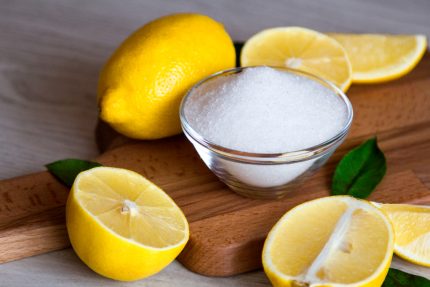
Citric acid has many uses in food production. It is a flavor enhancer, preservative, and helps facilitate the ripening process. Since many bacteria are unable to grow in an acidic environment, citric acid is often added to jams, jellies, candy, canned foods, and even meat products as a form of preservation.
Acidity is an important parameter in food. Not only does acidity affect the flavor of the food item in question, it also influences the growth ability of microorganisms, such as bacteria and fungi. Commonly, the higher the acidity of a food item, the less likely are the chances that it is spoilt by microorganisms.
Citric acid is widely used as a flavouring, as an acidifier and chelating agent. The most common uses of citric acid are as a preservative and flavouring agent in food and beverages such as soft drinks. Citric acid is used as an emulsifying agent in ice-creams. Citric acid is considered as an excellent chelating agent.
Citric acid in the food industry
Citric acid in the food industry for about 75% of global consumption in the food and beverage industries. The molecular formula of citric acid is C 6 H 8 O 7 and it makes up 8% of the dry mass of some citrus fruits. The global citric acid market in 2019 exceeded 2.1 million tons. Citric acid is found in peppers, tomatoes, artichokes and most berries. From the human point of view, citric acid is a vital component of the krebs cycle in the metabolism and oxidation of fats, carbohydrates and proteins. By far the most important, versatile and widely used organic acid is citric acid. Used in food, beverage and pharmaceutical industries. About 320,000 tons of citric acid are used in the production of food and beverages every year. According to the form, the citric acid market is divided into anhydrous and liquid. Anhydrous citric acid, meanwhile, is more widely used because it is widely used in the production of a variety of food products such as ice cream, jams, jellies, canned foods and more.

Cocoa Butter Substitute (CBS)

Cocoa butter equivalents (CBE) are vegetable fats based on the same fatty acids and the same type of triglyceride, as CB. This leads them to having very similar physical properties and to being compatible with CB in all proportions without any significant effect on the behavior of the chocolate.
Cocoa Butter Substitutes:
Often the ingredients used for cocoa butter substitutes undergo additional processing steps which raise the price. But with demand for cocoa butter on the rise and difficulty achieving high crop yields, the price of these alternatives will be more in line with productivity.
Cocoa Butter Substitute (CBS) privileges:
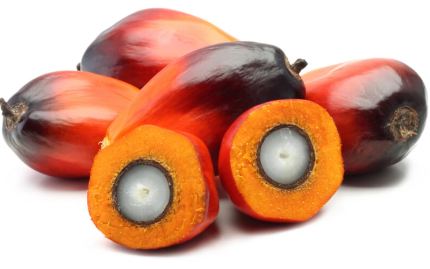
Palm oil or coconut oil based and normally contains lauric fatty acids.
Does not require tempering.
Lauric fat in the presence of enzymes like lipase (found in cocoa beans), under the right conditions (moisture, temperature), can react and produce a soapy off-note.
Not compatible with cocoa butter, although can be mixed in at a low percentage.

cocoa powder

Cocoa powder is essentially used as flavor in biscuits, ice cream, dairy drinks and cakes. Apart its use as flavor it is also used in the manufacture of coatings for confectioners or frozen desserts. Cocoa powder is also consumed by the beverage industry for example for the preparation of chocolate milk.
Cocoa powder is rich in theobromine, which helps to reduce inflammation and can protect you from diseases such as heart disease, cancer, and diabetes. Since cocoa is rich in phytonutrients but low in fat and sugar, the calories you get from cocoa powder will be packed with healthy chemicals.
Food and pharmaceutical additives are the areas where cocoa powder is highly used. Cocoa powder and cocoa butter are often mixed with chocolate liquor (ground cacao seeds), sugar, milk, and other flavors.

Essence

The essence is defined as a substance or food product that changes or alters another substance flavor. Essence alters the characteristics of the solute and changes it to become sweet, sour or tangy. Food-based essences are also used as cationic creams and lotions.
It is used in baked goods, beverages, custards and even some savory foods like sauces or vanilla scrambled eggs.
Flavouring Essence: Vanilla, Banana, Orange, Strawberry, Pineapple, Mango, Rose, Coffee, Chocolate, Raspberry, Almond, Saffron, Pistachio, Clove, Nutmeg, Coconut, Cardamom, Cinnamon, Lemon, Tomato, Etc.
Multiple Ways to Use Flavour Extracts and Essences:
Various icings
Candies
Cakes
Drinks
Special flavours developed for the sweet and bakery sector are tested for their suitability on selected applications, sensorially described and evaluated before being included in our standard portfolio. Certain confectionery products require special development, as a great variety of requirements have to be fulfilled. For example a flavour for chewing gum has different properties to a flavour for fruit gums. For bakery products, certain encapsulation systems can be advantageous.

Food coloring

Food coloring, or color additive, is any dye, pigment, or substance that imparts color when it is added to food or drink. They come in many forms consisting of liquids, powders, gels, and pastes. Food coloring is used in both commercial food production and domestic cooking. Food colorants are also used in a variety of non-food applications, including cosmetics, pharmaceuticals, home craft projects, and medical devices.
Powder food color can be used with foods that do not or cannot mix with water. Use in chocolate, powdered sugars, royal icings, and more. Colors include: Brown, Cherry Pink, Emerald Green, Lemon Yellow, Orange, Royal Blue, Christmas Red, Leaf Green.
Natural dyes have been used for centuries to color food. Some of the most common natural food colorings are carotenoids, chlorophyll, anthocyanin, and turmeric. Many green and blue foods now have matcha, cyanobacteria, or spirulina for color.

Gelatin powder

Gelatin is used as a thickener for fruit gelatins and puddings, in candies, marshmallows, cakes, ice cream, and yogurts.
It is a product obtained by partial hydrolysis of collagen derived from animal skin, white connective tissue, and bones. Since then, there has been much concern about using gelatin derived from possibly infected animal parts, especially Halal quality for Muslim countries. The major source of gelatin is pigskin and is being used in processed food and medicinal products. Though the use of food products adulterated with porcine-derived gelatin create concerns in the mind of Muslim communities, as in Islam, it is not acceptable or literally, it is called Haram in Islam religion, therefore, Islamic communities use gelatin derived from cows’ skin which is Halal and acceptable.
Gelatine is a high-quality ingredient and has many positive properties as a foodstuff. Thanks to its gelling abilities, gelatine is indispensable in modern cuisine. For example, foam formation, stabilisation and texturising are essential properties in the creation of tasty desserts. Gelatine is also an important source of protein. It can effectively replace carbohydrates and fat in many foods and is thus better suited to meet nutritional needs.

Glycerin

Glycerin is used as an ingredient in a variety of food and beverage products to help retain moisture, prevent sugar crystallization, and add bulk, smoothness, softness, sweetness and texture. Like most sugar alcohols, glycerin is not as sweet as sugar—it is about 60–75% as sweet.
Glycerin as a food additive is Generally Recognized As Safe (GRAS) US Food and Drug Administration (FDA). Glycerin is expected to be safe to use by adults and children. Glycerin has no known cancer-promoting (carcinogenic), DNA-damaging (mutagenic) or birth defect-causing (teratogenic) effects.
Food-grade glycerin may be added as a humectant (wetting agent), thickener, solvent or sweetener to dairy products (cream), canned goods, confections, fondant, processed fruits, jams, energy bars and other foods. The source of glycerin (animal or vegetable oil, corn syrup, petroleum) used in a food product is usually not revealed on the food labels.
In food and beverages, glycerol serves as a humectant, solvent, and sweetener, and may help preserve foods. It is also used as filler in commercially prepared low-fat foods (e.g., cookies), and as a thickening agent in liqueurs. Glycerol and water are used to preserve certain types of plant leaves. As a sugar substitute, it has approximately 27 kilocalories per teaspoon (sugar has 20) and is 60% as sweet as sucrose. It does not feed the bacteria that form a dental plaque and cause dental cavities. As a food additive, glycerol is labeled as E number E422. It is added to icing (frosting) to prevent it from setting too hard.

Guar gum

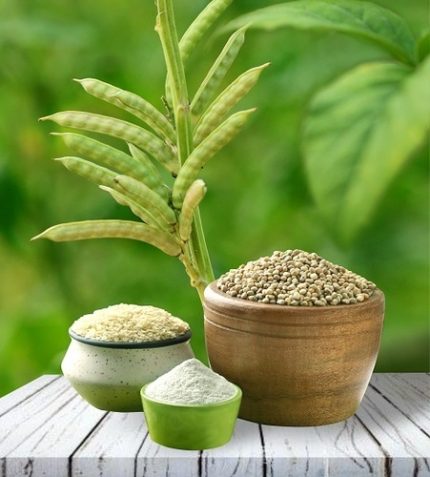
Guar gum is used widely in the bakery industry to improve the physical properties and texture of baked goods, increase shelf life by reducing staling, prepare gluten-free breads, prepare breads using frozen dough, and as a dietary fiber to produce products with a low glycemic index.
Applications include:
In baked goods, it increases dough yield, gives greater resiliency, and improves texture and shelf life; in pastry fillings, it prevents “weeping” (syneresis) of the water in the filling, keeping the pastry crust crisp. It is primarily used in hypoallergenic recipes that use different types of whole-grain flours. Because the consistency of these flours allows the escape of gas released by leavening, guar gum is needed to improve the thickness of these flours, allowing them to rise as a normal flour would.
In dairy products, it thickens milk, yogurt, kefir, and liquid cheese products, and helps maintain homogeneity and texture of ice creams and sherbets. It is used for similar purposes in plant milks.
For meat, it functions as a binder.
In condiments, it improves the stability and appearance of salad dressings, barbecue sauces, relishes, ketchups and others.
In canned soup, it is used as a thickener and stabilizer.
It is also used in dry soups, instant oatmeal, sweet desserts, canned fish in sauce, frozen food items, and animal feed.

Milk powder

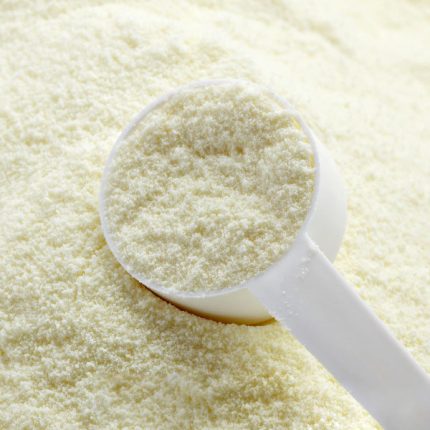
Milk powder: The dairy-based powders are not only used for recombination or reconstitution, but they can be exploited for their intrinsic functional properties for application as a food ingredient in several “value-added foods” such as confectionery, bakery, and meat products.
Powdered milk is frequently used in the manufacture of infant formula, confectionery such as chocolate and caramel candy, and in recipes for baked goods where adding liquid milk would render the product too thin.
Milk powder enhances the taste of your baked treats by adding a hint of extra sweetness and giving them a creamier texture. When heated, sugars from the milk powder can also become caramelized, which adds to the rich taste and gives cake a browner tone.
In short, milk powder is evaporated milk, which is further condensed and processed. During the evaporation process, milk is also pasteurized under controlled temperatures to ward off any bacterial growth.

Monodiglyceride

Monodiglyceride are emulsifiers, which means they help oil and water to blend. As a result, they’re commonly used as food additives. Small quantities are often added to packaged and frozen foods to improve texture and stability, prevent oil from separating, and extend shelf life.
Monodiglyceride are primarily used as surfactants, usually in the form of emulsifiers. Together with diglycerides, monoglycerides are commonly added to commercial food products in small quantities as “E471” (s.a. Mono- and diglycerides of fatty acids), which helps to prevent mixtures of oils and water from separating. The values given in the nutritional labels for total fat, saturated fat, and trans fat do not include those present in mono- and diglycerides as fats are defined as being triglycerides. They are also often found in bakery products, beverages, ice cream, chewing gum, shortening, whipped toppings, margarine, and confections. In bakery products, Mono- and diglycerides are useful in improving loaf volume and texture, and as antistaling agents. Mono- and diglycerides are used to enhance the physical stability towards creaming in milk beverages.

Potassium sorbate

Potassium sorbate (K-sorbate) is a food preservative commonly used in the baking industry to prevent mold, yeast, and microbes. It is often used in cakes and icings, beverage syrups, cheese, dried fruits, margarine, pie fillings, etc.
Potassium sorbate is used to inhibit molds and yeasts in many foods, such as cheese, wine, yogurt, dried meats, apple cider, rehydrated fruits, soft drinks and fruit drinks, and baked goods. It is used in the preparation of items such as hotcake syrup and milkshakes served by fast-food. It can also be found in the ingredients list of many dried fruit products. In addition, herbal dietary supplement products generally contain potassium sorbate, which acts to prevent mold and microbes and to increase shelf life. It is used in quantities at which no adverse health effects are known, over short periods of time. Labeling of this preservative on ingredient statements reads as “potassium sorbate” or “E202”. Also, it is used in many personal-care products to inhibit the development of microorganisms for shelf stability. Some manufacturers are using this preservative as a replacement for parabens. Tube feeding of potassium sorbate reduces the gastric burden of pathogenic bacteria.

Propylene glycol

Propylene glycol is commonly used as a food additive. It helps preserve moisture as well as dissolve colors and flavors. It is also used in some medications, cosmetic products, antifreeze and other industrial products.
Since propylene glycol has numerous properties potentially beneficial to packaged foods, its use is quite common in food products designed to have a long shelf life. The Food and Drug Administration (FDA) says propylene glycol is “generally recognized as safe” for use in foods, pharmaceuticals and cosmetics.

Sodium bicarbonate

Sodium bicarbonate (NaHCO3), also known as baking soda or sodium hydrogenocarbonate, is a white basic mineral powder and is commonly used as an ingredient in the food market. Not a new ingredient to the industry, it is authorised and registered as a food ingredient with the reference E500ii.
Application:
Leavening. In cooking, baking soda is primarily used in baking as a leavening agent. When it reacts with acid, carbon dioxide is released, which causes expansion of the batter and forms the characteristic texture and grain in cakes, quick breads, soda bread, and other baked and fried foods. The U.S. Food and Drug Administration (FDA) states that sodium bicarbonate is GRAS (Generally Recognized as Safe) as a direct food additive. Baking soda is most often used in the food industry as a leavening agent and is found in foods such as breads, rolls, cookies and other baked goods.

Sodium Pyrophosphate

The principal food uses for sodium pyrophosphate are as an emulsifier, buffer, nutrient, dietary supplement, sequestrant, and texturizer in bread and cereal products.
Sodium pyrophosphate is a popular leavening agent found in baking powders. In baking powder, it is often labeled as food additive E450.
Sodium Pyrophosphate is an odorless, white powder or granular solid. It is used in household and industrial cleaning compounds, as a water softener, metal cleaner and food additive, and for oil well drilling.
About the safety of this material in food, most of them have long names that sound intimidating. It’s disturbing to think that you’re eating chemicals with your food, and not just the food itself — but these chemicals aren’t all dangerous. Eaten in modest amounts, chemicals like sodium acid pyrophosphate are safe.

sorbitol

Sorbitol
Sorbitol is produced with catalytic hydrogenation of hydrolyzed starch.
Sorbitol is used for jelly, chocolate, ice cream, dietary products, cake, bakery product and biscuit, wafer, hard candy, chewing gum and coating, cereal bar, jam and marmalade, jam filling, spreadable chocolate, wafer, fruit filling, dairy dessert, dried fruit.
Sorbitol is also used for personal care products like creams & lotions, shampoos, dental hygiene and pharmaceutical tablets and medical syrups, textile applications, polyurethane applications and construction chemicals.
Sorbitol often is used in modern cosmetics as a humectant and thickener. It is also used in mouthwash and toothpaste. Some transparent gels can be made only with sorbitol, because of its high refractive index.
Beyond its use as a sugar substitute in reduced-sugar foods, sorbitol is also used as a humectant in cookies and low-moisture foods like peanut butter and fruit preserves. In baking, it is also valuable because it acts as a plasticizer, and slows down the staling process.

Sorbitol-powder

Food coloring is an additive used to make foods more attractive and to entice consumers. Food coloring includes a dye or pigment that gives color to food or beverages.
Color is of great importance in the food industry, so to obtain color, they mix certain compounds with specific flavors and make food color to change the aroma and taste of foods and beverages.
These colors are used to increase attractiveness and appetite or to add color to foods that have lost their color due to exposure to light, air, temperature, humidity and storage conditions.
Food coloring can correct the natural color changes of foods, enhance the colors that are naturally present and make them more visible to consumers.
Today, the effect of colors cannot be underestimated in foods such as candies, breakfast cereals, jellies, but at the same time, their disadvantages must also be considered. These days, colors are also prominent in all kinds of snacks and attract everyone’s attention, especially children. Therefore, it can be said that using food colors is a type of marketing that can increase the sale of snacks and foods.
Types of food colors
Natural food colors
These colors are often derived from plants and have no adverse effects on health. On the contrary, these compounds are also beneficial for the body because they contain antioxidant compounds. Natural colors include the orange color of carotene in carrots, the purple color of red cabbage, the green color of spinach, the red color of beets, the yellow color of turmeric and other natural colors. These colors are obtained through a difficult extraction process and are used in the food industry and, like fruits and vegetables, are rich in beneficial compounds for the body.
Most natural colors can dissolve in oil but not in water. They are usually processed to form their sodium or potassium salts. This makes them soluble in water and usable for use in foods.
Artificial food coloring
Artificial colors are produced from chemical compounds and can be found in a variety of candies, chocolates, and beverages. Research on these colors has shown that their use in children causes hyperactivity and restlessness, and in some cases, reduces their growth and concentration.
Allergic reactions in adults and reduced IQ in children are also some of the harmful effects of these chemicals, which is why their use has been banned in many countries.